
Hypnotherapy for Imsomnia
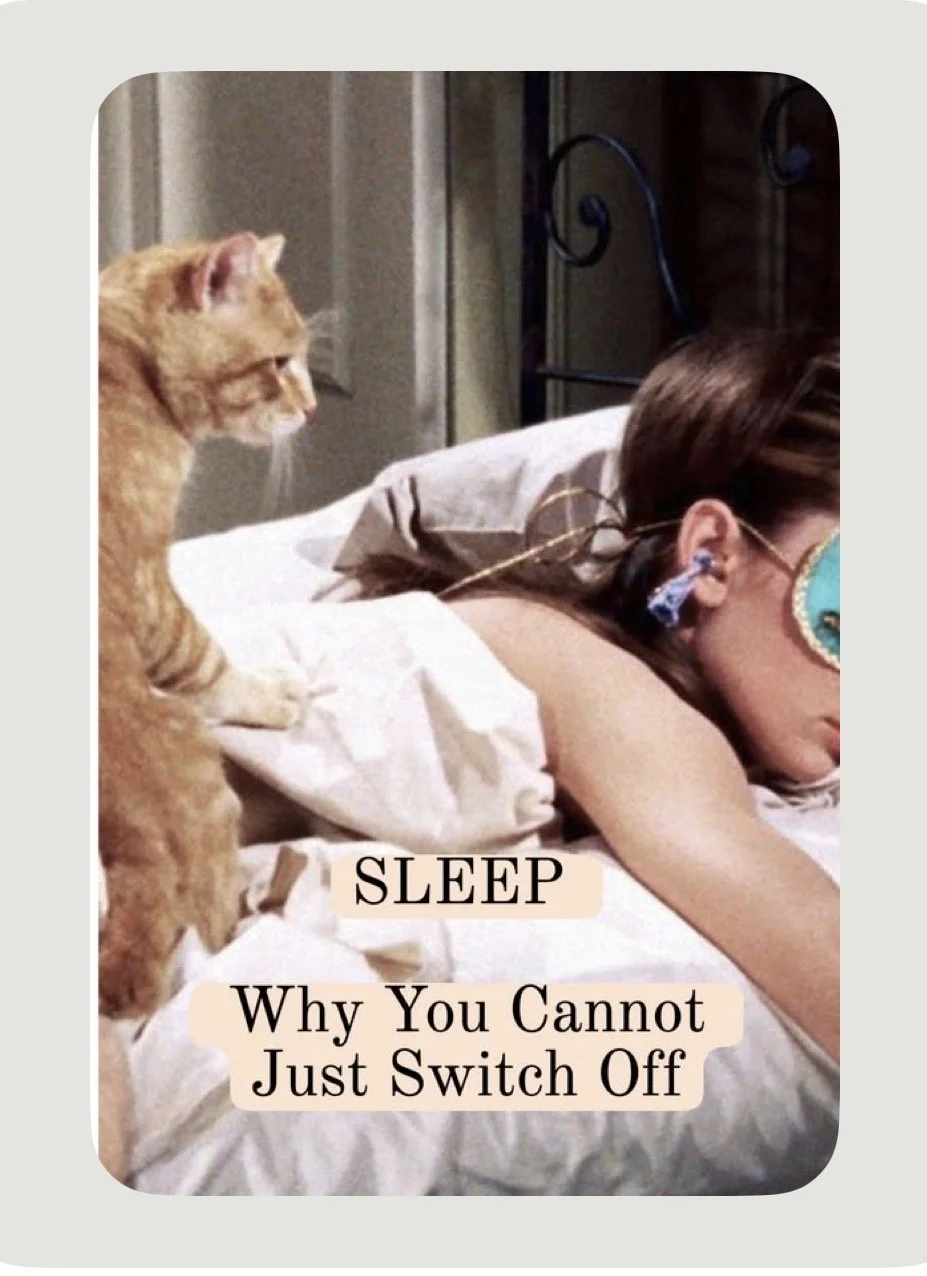
Why You Cannot Just Switch Off
If you struggle with sleep, you will probably have been told to try a consistent bedtime, to avoid screens, to cut caffeine, to keep a cool room. These things are not wrong. But if you are lying awake at two in the morning with a mind that will not stop, or waking at four and spiralling, or falling asleep easily and then jarring awake with your heart racing, practical sleep hygiene is unlikely to be the core of what is needed.
Poor sleep is rarely just about sleep. It is most often a nervous system that has not received permission to rest.
What Keeps People Awake
The nervous system has two broad modes. The sympathetic mode -- activated, alert, scanning for threat. And the parasympathetic mode -- settled, receptive, allowing rest and repair. Sleep requires a genuine shift into the parasympathetic. Not a forced, managed, controlled shift. A genuine one.
For many people, particularly those living with chronic stress, anxiety, or unresolved experience, the nervous system has learned to remain vigilant even when the thinking mind wants to rest. The body is still on alert. And the body is more powerful than the thinking mind's wish to sleep.
Hypervigilance at night, a mind that replays, rehearses, or catastrophises the inability to tolerate the vulnerability of letting go. These are not failures of discipline. They are the nervous system doing the best it knows how to do.
How Hypnotherapy Works with Sleep
Hypnotherapy works with sleep at multiple levels. At the most immediate level, learning to enter a deeply relaxed, receptive state is itself a form of practice -- the nervous system begins to build familiarity with the territory of genuine rest.
At a deeper level, we can work with whatever the nervous system is protecting against in its vigilance. Often there is something it does not feel safe to stop watching for. That something deserves to be met, not managed around.
In my practice, sleep work may include direct hypnotherapeutic work with relaxation and nervous system regulation, alongside the kind of deeper inquiry that asks what the body is holding that it has not yet felt safe to put down.
Three Practices Worth Trying
1. Let the body lead, not the mind
Rather than trying to make yourself sleep, practise allowing your body to become heavy. Attention to physical sensation -- the weight of the body, the contact with the bed, the rhythm of the breath -- draws the nervous system away from the thinking, scanning mind.
2. Exhale longer than you inhale
As with anxiety, the extended exhale activates the parasympathetic nervous system. Make it easy -- no counting required. Simply let the exhale be slow and complete. Do this for a few breaths. The nervous system will begin to respond.
3. Stop trying to sleep
This sounds counterintuitive. But the effort to sleep is itself activating. Framing the goal as rest rather than sleep -- allowing the body to be still and comfortable, without the pressure of performing unconsciousness -- often allows sleep to arrive of its own accord.
If sleep has been difficult for a long time, something deeper may need tending. That work is available.