
Why You Cannot Just Switch Off: Hypnotherapy for Sleep and Insomnia
If you struggle with sleep, you have probably been told to establish a consistent bedtime, avoid screens, reduce caffeine and keep your bedroom cool. These are sensible sleep habits, and they can help.
But what happens when you are lying awake at two in the morning with a mind that will not stop, waking at four and spiralling into anxious thoughts, or falling asleep easily only to wake suddenly with your heart racing? When sleep becomes a persistent struggle, good sleep hygiene may not be the whole answer. Stress, anxiety, learned patterns of wakefulness and the pressure to fall asleep can all contribute to difficulties with sleep.
Sometimes, the problem is not that you do not know how to sleep. It is that you cannot seem to let yourself rest.
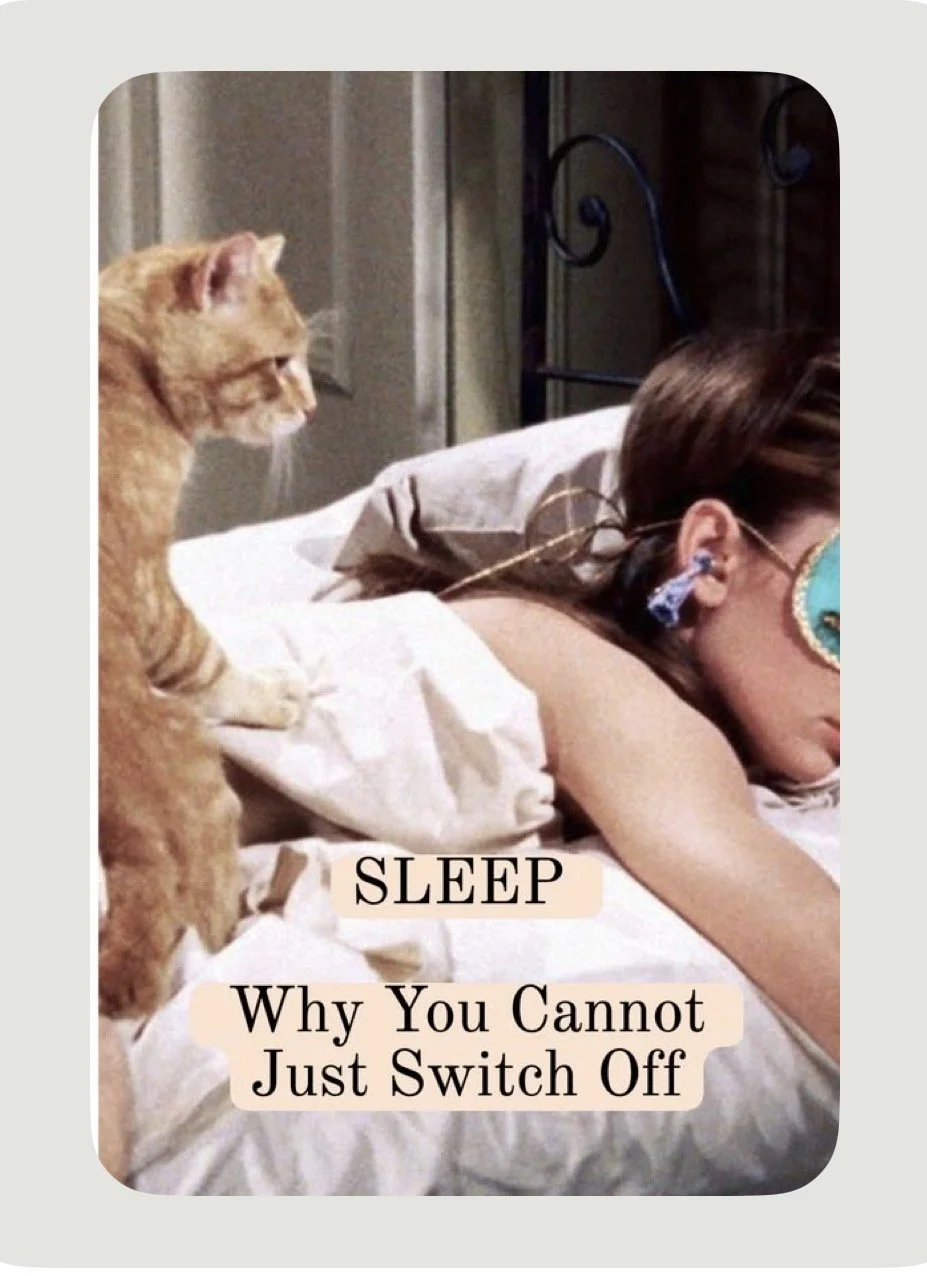
What Keeps You Awake at Night?
Sleep is influenced by a complex relationship between the brain, the body, our environment and our emotional lives. The nervous system plays an important role in this process, helping regulate alertness, relaxation and the transition into sleep.
When we are under prolonged stress, our bodies can remain on alert even when we desperately want to switch off. We may replay conversations, anticipate tomorrow's problems or become increasingly anxious about the consequences of another sleepless night.
This can become a frustrating cycle. The more we worry about sleeping, the more effort we put into trying to make it happen. That effort can create further tension and make rest feel increasingly elusive.
For some people, nighttime wakefulness is accompanied by hypervigilance: a heightened sense of alertness that makes it difficult to feel settled or safe enough to relax. For others, the problem may involve habitual worry, disrupted sleep patterns or other physical and psychological factors.
These experiences are not failures of discipline. They are patterns that deserve understanding rather than self-criticism.
How Can Hypnotherapy Help with Sleep Problems?
Hypnotherapy for sleep offers a way to explore the relationship between relaxation, attention, emotional responses and the patterns that may be contributing to sleeplessness.
Hypnosis involves focused attention and increased responsiveness to suggestion. In a therapeutic setting, it can be used to practise relaxation, work with anxious expectations around sleep and develop a different relationship with nighttime thoughts and sensations.
In my practice, sleep-related work may include guided relaxation, imagery, therapeutic suggestion and exploration of the emotional patterns associated with feeling constantly alert.
For some people, this means learning to recognise the difference between being tired and being tense. For others, it involves exploring the worries, pressures or habitual responses that make it difficult to disengage from the day.
The aim is not to force sleep or promise an instant solution. It is to explore what may be maintaining the difficulty and develop more helpful ways of responding.
Hypnotherapy may be useful as part of a broader approach to sleep difficulties, although outcomes vary. Persistent insomnia may also benefit from cognitive behavioural therapy for insomnia (CBT-I), an established treatment that addresses the thoughts and behaviours associated with sleep problems.
Three Ways to Begin Changing Your Relationship with Sleep
1. Let the body lead rather than the thinking mind
When you are lying awake, notice the physical sensations of resting: the weight of your body, the support beneath you and the natural rhythm of your breathing.
Rather than trying to force yourself to sleep, allow yourself to become more comfortable in the present moment. The aim is to reduce the pressure to achieve something, not to turn relaxation into another task you must perform correctly.
2. Allow your breathing to settle naturally
If it feels comfortable, allow your exhalation to become a little slower without forcing your breath or counting rigidly. Gentle, unhurried breathing may help you feel calmer and less caught up in anxious thinking.
If focusing on your breath makes you feel uncomfortable, simply return your attention to the sensation of the bed supporting you.
3. Take the pressure off falling asleep
One of the most frustrating aspects of insomnia is the feeling that you must make sleep happen. You watch the clock, calculate how many hours remain and worry about how you will function tomorrow.
Try shifting your immediate goal from I must fall asleep now to I can allow myself to rest without judging this moment.
If you remain awake and become frustrated, it can help to get out of bed briefly and do something quiet in dim light, returning when you feel sleepy. This is one of the approaches used in evidence-based treatment for insomnia.
These practices are not a substitute for professional assessment when sleep problems persist, but they may help you begin responding to sleeplessness with less pressure and self-criticism.
One-to-One Hypnotherapy for Sleep in Leicester
If you have struggled with sleep for a long time, you may have reached the point where another bedtime routine feels like one more thing to get right. Perhaps your mind will not switch off, anxiety follows you into the night, or you feel constantly on alert even when life appears relatively calm. You may understand perfectly well that you need rest, yet find yourself unable to settle.
I'm Alexia Elliott, a hypnotherapist and Sacred Mentor based in Leicester. My work draws on hypnosis, shamanic practice, NLP and Jungian depth psychology to explore the emotional patterns and unconscious responses that shape our experience. My one-to-one sessions offer space to explore what may be contributing to your difficulties and consider how a different relationship with your thoughts, feelings and bodily responses might develop. If you are looking for hypnotherapy for sleep in Leicester or online, you can book a conversation with me here.
You do not have to turn rest into another performance. Sometimes, the first step is becoming curious about what makes letting go so difficult.
Alexia Elliott offers one-to-one hypnotherapy and personal development work informed by hypnosis, shamanic practice, NLP and Jungian depth psychology.